
Changing the lenses on your cycling glasses is a simple process that unlocks the full potential of your eyewear. To change your lenses, start with clean hands and a microfiber cloth. For most frames, you will gently pull the top of the frame away from the lens center to create a gap, then carefully unhook the lens from the corners. To install a new lens, reverse the process: insert one corner into the frame's groove, then the other, and firmly press the top center of the lens until you hear and feel it click securely into place. This skill allows you to adapt to any lighting condition, from a foggy morning ride to a blazing afternoon, ensuring optimal visibility and safety on every journey. Mastering this quick changeover means you're always prepared, extending the life of your investment and enhancing your performance.
Why Bother Changing Your Cycling Lenses?
Interchangeable lenses are not just a gimmick; they are a crucial feature for any serious cyclist. The primary reason to swap lenses is to match your vision to the ambient light conditions. A dark, polarized lens that’s perfect for a sun-drenched coastal ride would be dangerously obscuring on a pre-dawn climb or a ride through a shaded forest. By having a quiver of lenses—such as clear for night riding, yellow or rose for overcast days to enhance contrast, and dark grey or mirrored for bright sun—you ensure you can always see road hazards, potholes, and changes in terrain. This adaptability directly translates to increased safety and confidence on the bike.
Beyond adapting to light, changing lenses is also a matter of maintenance and customization. Lenses inevitably get scratched or damaged from road debris, accidental drops, or improper cleaning. Being able to easily replace a compromised lens is far more cost-effective than buying an entirely new pair of glasses. Furthermore, some cyclists enjoy changing lens colors for aesthetic reasons, matching their eyewear to their kit or bike. Whether for performance, protection, or style, knowing how to efficiently swap your lenses is a fundamental skill.
Before You Begin: Essential Prep for a Smooth Swap
Before you start manipulating your expensive eyewear, a little preparation can prevent scratches and frustration. The goal is a seamless transition, not a struggle that ends with a damaged frame or lens. Taking these few preliminary steps will make the entire process quicker, safer, and more effective.
First and foremost, work in a clean, well-lit area. A soft surface, like a desk with a microfiber towel laid out, is ideal to prevent scratches if you accidentally drop a component. Second, wash your hands thoroughly with soap and water. The oils and dirt on your fingers are the primary cause of smudges and can even etch the delicate coatings on high-performance lenses. Finally, have the right tool for the job: a high-quality microfiber cloth or the pouch that your glasses came in. *Never use a t-shirt, paper towel, or rough fabric*, as these can easily cause micro-scratches that impair vision. Gently wipe down both the current lens and the new one to remove any dust or grime before you begin the swap.
How to Change Lenses: A Step-by-Step Guide by Frame Type
Cycling glasses come in three primary designs: full-frame, half-frame (semi-rimless), and frameless (shield). Each type has a slightly different mechanism for securing the lens, so the technique for changing them varies. Understanding which type you have is the first step to a successful swap.
The Full-Frame Method: Secure and Sturdy
Full-frame glasses, where the lens is completely encircled by the frame material, offer the most robust protection but can feel the most intimidating to change. The key is controlled flexibility.
Removal: Hold the frame securely with both hands, gripping the top and bottom near the nose bridge. Place your thumbs on the top-center part of the lens. While holding the frame firmly, gently pull the top of the frame up and away from the lens while simultaneously pushing the lens out from behind with your thumbs. Start at the top center, which is usually the most flexible point. Once the top is free, the lens will easily pop out of the grooves at the corners and bottom.
Installation: Take your new lens, holding it by the edges with your microfiber cloth. Line up one of the outer corners (or "temples") of the lens with the corresponding groove in the frame and insert it. Then, guide the other corner into its groove. With both corners seated, the lens will be bowed slightly. Now, firmly but carefully press the top center of the lens until it snaps securely into the top groove of the frame. You should hear a distinct *click*, confirming it's locked in place. Give it a gentle wiggle to ensure it's secure.
The Half-Frame (Semi-Rimless) Method: Flexibility is Key
Half-frame, or semi-rimless, glasses are a popular choice for their unobstructed lower field of view. Changing these lenses often involves manipulating the frame arms or nosepiece.
Removal: Hold the glasses firmly by the frame and nosepiece. Grab one edge of the lens with your other hand (using a microfiber cloth). Gently pull the lens away from the frame arm near the hinge. Most designs require you to unhook the lens from a small notch here first. Once that side is free, the lens can be easily rotated and pulled out from the nosepiece groove. *Avoid bending the lens itself; focus on flexing the frame.*
Installation: To insert the new lens, start at the nosepiece. Slide the grooved edge of the lens into the corresponding slot on the nosepiece first. Ensure it's fully seated. Then, align the outer edge of the lens with the notch or groove near the frame's temple. Gently bend the frame arm slightly outward and guide the lens into place until it clicks or settles securely. Double-check that both the nose and temple sections are fully engaged.
The Frameless (Shield) Method: A Delicate Touch
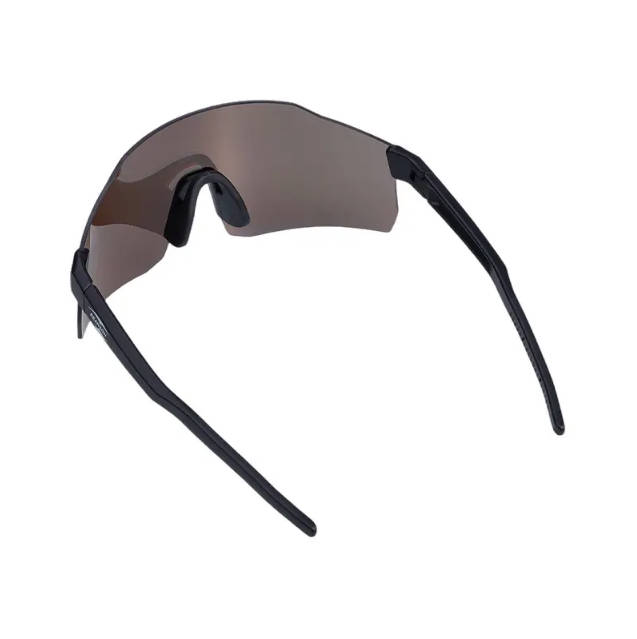
Frameless shield lenses are held in place only by the nosepiece and temple arms, which are attached directly to the lens. This type requires the most care, as you are directly handling the lens.
Removal: On most shield glasses, the arms and nosepiece are separate components that detach. Start with an arm. Find the locking mechanism or latch where the arm connects to the lens—this is often a small lever or a rotating clasp. Unlock the mechanism and gently pivot the arm away from the lens to release it. Repeat for the other arm. The nosepiece usually unclips with a gentle pull or squeeze.
Installation: Begin with the new lens and the nosepiece. Align the pegs on the nosepiece with the holes on the lens and press firmly until it clicks into place. Next, attach the arms. Align an arm with its mounting point on the lens, pivot it into position, and engage the locking mechanism. You should feel a solid connection. Repeat for the second arm and ensure all components are securely fastened before wearing.
Brand-Specific Tips and Tricks
While the general principles apply to most glasses, leading brands often incorporate unique technologies. Knowing the specific quirks of your glasses can save you a lot of trouble. Here’s a quick-reference table for popular brands.
| Brand | Key Technology / Tip | Models to Note |
|---|---|---|
| Oakley | Many models feature Switchlock™ Technology, a latch system that makes swapping lenses effortless. For standard frames, the "top-down" method (popping the top center out first) works best. The O-Matter™ frame material is very durable and flexible. | Jawbreaker, Radar EV, Sutro |
| Smith | Smith uses MAG™ technology on many models, which uses magnets to hold the arms and lens in place for incredibly fast changes. On others, the arms pivot up and away to release the lens. | Attack MAG, Wildcat, Shift MAG |
| 100% | Known for their large shield-style glasses. The lens change is typically straightforward, following the full-frame or half-frame method. The frames are highly flexible. Be firm but gentle. | S2, S3, Hypercraft |
| Tifosi | Tifosi often uses a "swivel" or "rotate" method for their half-frame glasses. You typically need to rotate the arms up or down at the hinge to unlock and release the lens from the frame. | Sledge, Crit, Aethon |
What If My Lens Gets Stuck? Troubleshooting Common Issues
Sometimes, a lens just doesn't want to come out or go in, especially when the glasses are new and the tolerances are tight. If you find yourself struggling, stop and reassess before you apply excessive force.
If a lens is stuck, the most common culprit is dirt or sweat that has created friction in the frame's groove. Try running the glasses under lukewarm water (with a drop of mild soap) and gently cleaning the seam between the lens and frame with a soft brush. This can often dislodge the debris and provide the lubrication needed. Another factor can be temperature. Plastic frames are more pliable when warm. If it's cold, try warming the frames in your hands or with your breath for a minute to make them slightly more flexible. Under no circumstances should you use a tool like a screwdriver to pry the lens out, as this will almost certainly result in permanent damage.
After the Swap: Proper Lens Care and Storage
Your job isn't done once the new lens is in place. Proper care ensures your lenses last as long as possible and provide crystal-clear vision. Always clean your lenses with a dedicated lens cleaner spray and a clean microfiber cloth. If you don't have spray, lukewarm water and a drop of dish soap work well. Rinse thoroughly to remove all soap residue and pat dry with the microfiber cloth.
Storage is equally critical. When you're not wearing your glasses, store them in the hard case they came with. The soft microfiber bag is great for cleaning and for temporary storage inside a helmet, but it won't protect against crushing or impact in a gear bag. Store your spare lenses in their designated slots in the case or in their own separate soft pouches to prevent them from rubbing against each other and scratching. Taking these simple steps will protect your investment and ensure your eyewear is always ready for the next ride.
Frequently Asked Questions (FAQ)
How often should I change my cycling lenses?
You should change your lenses any time the light conditions change significantly. Many riders start a morning ride with a low-light lens and swap to a darker tint as the sun gets higher. You should also replace a lens immediately if it becomes deeply scratched or damaged.
Can I use a third-party replacement lens?
While third-party lenses are available, it's generally recommended to use official lenses from the manufacturer. These are guaranteed to fit perfectly and will have the specific optical qualities and safety impact ratings your glasses were designed for. An ill-fitting lens can create optical distortion or fall out unexpectedly.
What is a photochromic lens? Do I need to change it?
A photochromic lens automatically darkens when exposed to UV light and lightens in low-light conditions. For riders who experience a wide variety of lighting on a single ride (e.g., moving in and out of forests), a photochromic lens can be a great option that minimizes the need to stop and change lenses. However, they don't react instantly and may not get as dark as a dedicated sun lens or as clear as a clear lens, so many cyclists still prefer to have interchangeable options.
