
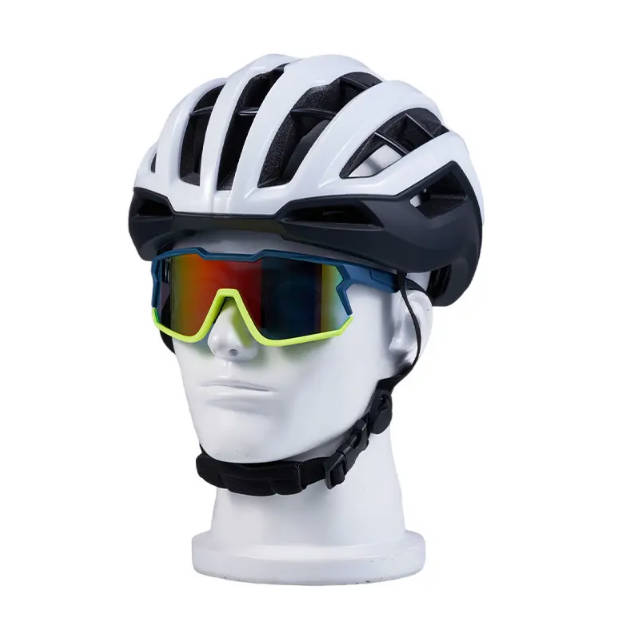
Yes, helmet color absolutely matters for two primary reasons: visibility and thermal comfort. Brightly colored helmets, particularly those in white, yellow, and fluorescent shades, significantly increase a wearer's conspicuity, making them more easily seen by others and potentially reducing accident risk. Lighter colors also reflect more sunlight, keeping the wearer's head cooler than a dark-colored helmet, which is a crucial factor for comfort and focus in warm climates. While fit and safety certification are paramount, choosing the right color is a critical, and often overlooked, layer of personal safety.
The Critical Connection: Why Helmet Color is a Key Safety Factor
When selecting a helmet, we often focus on the fit, comfort, and safety ratings like DOT, ECE, or Snell. These are undeniably the most important factors. However, overlooking the color of your helmet means ignoring a powerful tool in your safety arsenal. The color you choose directly impacts how easily you can be seen by drivers, pedestrians, and coworkers—a concept known as conspicuity. In a world of distractions, being noticeable isn't just an advantage; it's a lifesaver.
The Science of Conspicuity: How Bright Colors Make You More Visible
The core principle behind a safe helmet color is contrast. Your helmet needs to stand out against the myriad of backgrounds you'll encounter. A black helmet might look sleek, but it blends seamlessly into dark asphalt, shadows, and nighttime conditions. Conversely, a bright white or fluorescent yellow helmet creates a stark contrast against most urban and rural landscapes. This makes it easier for the human eye to detect your presence from a greater distance, giving others more time to react.
Studies have consistently supported this. While data can vary, major reports like the "Hurt Report" and the international MAIDS (Motorcycle Accident In-Depth Study) have indicated a correlation between rider conspicuity and accident involvement. Riders wearing bright, visible gear, including helmets, were found to be less likely to be involved in multi-vehicle accidents where the other party claimed they "didn't see" the rider. Your head is often the highest point and the most consistently visible part of your body, making your helmet's color a beacon of your presence.
What are the Most Visible Helmet Colors?
Not all bright colors are created equal. The human eye is most sensitive to wavelengths of light in the yellow-green part of the spectrum. This is why safety vests and emergency vehicles often use fluorescent yellow-green, also known as "hi-viz" or "lime green." When it comes to helmets, the best colors for daytime visibility are those that offer the highest contrast and visual "pop."
For nighttime visibility, color becomes less important than retroreflectivity. Retroreflective materials (like those from 3M Scotchlite) don't just reflect light; they bounce it directly back to the source. This means a driver's headlights will illuminate your helmet with brilliant intensity. A dark helmet with well-placed retroreflective panels can be more visible at night than a plain white helmet without them.
| Helmet Color | Daytime Visibility | Nighttime Visibility (without reflective tape) | Best Use Case |
|---|---|---|---|
| White | Excellent | Good | All-around choice for urban and highway commuting. |
| Fluorescent Yellow/Green | Superior | Poor | Maximum daytime visibility, especially in overcast conditions. |
| Bright Orange | Excellent | Fair | High contrast against natural environments (forests, fields). |
| Red | Good | Poor | Good visibility but can sometimes blend with brake lights and signs. |
| Black/Dark Colors | Poor | Very Poor | Requires addition of retroreflective materials for safe use. |
Beyond Visibility: How Does Color Affect Helmet Temperature?
Beyond the life-saving aspect of visibility, helmet color has a significant impact on your comfort through thermal regulation. Anyone who has gotten into a black car on a sunny day understands the basic physics at play. The same principle applies directly to the helmet on your head, influencing your comfort, focus, and endurance during a ride or a workday.
The Physics of Heat: Black Helmets vs. White Helmets
The science is straightforward: dark surfaces absorb more light energy from the entire spectrum, converting it into heat. Lighter surfaces, particularly white, reflect more of that light energy. A glossy black helmet sitting in direct sunlight can become significantly hotter to the touch than an identical white helmet. This absorbed heat is then transferred to the helmet's inner comfort liner and, ultimately, to your head.
While the temperature difference inside the helmet is less dramatic than the surface temperature—thanks to the insulating properties of the EPS foam liner—it is still a measurable and noticeable effect. In slow-moving traffic, on a construction site, or during any activity with low airflow, a dark helmet will contribute more to heat buildup around your head, making you feel hotter and sweat more.
Does a Hotter Helmet Really Matter?
Yes, it absolutely does. Increased heat can lead to several negative consequences. First is discomfort, which can be a major distraction. A distracted rider or worker is an unsafe one. Second, excessive heat can accelerate fatigue and dehydration, impairing your cognitive function, slowing your reaction times, and reducing your overall situational awareness. In extreme conditions, it can even contribute to heat stress or heat stroke.
It's important to note that a helmet's ventilation system plays a huge role in mitigating heat. A well-ventilated dark helmet can feel cooler at speed than a poorly ventilated white helmet. However, when you combine a light, reflective color with an effective ventilation system, you get the best possible outcome for staying cool, comfortable, and focused.
Context is Everything: Helmet Color Meanings in Different Fields
The importance and meaning of helmet color can change dramatically depending on the activity. While visibility is a universal benefit, some fields have adopted specific color codes for organization and safety.
On the Road: Motorcycle and Bicycle Helmets
For motorcyclists and cyclists, the primary function of color is conspicuity. The goal is to stand out against a complex and ever-changing visual background of cars, buildings, and roads. This is why white and hi-viz yellow are consistently recommended as the safest choices. Despite the popularity of matte black and other dark, stylish helmets, they are objectively less safe from a visibility standpoint. Riders who choose dark helmets should seriously consider adding high-quality retroreflective tape or decals to compensate for the poor visibility, especially at night.
On the Job Site: The OSHA Construction Helmet Color Code
In construction and other industrial settings, hard hat colors are not about style; they are a standardized system for identifying personnel roles at a glance. While not a strict OSHA regulation, this color code is a widely adopted best practice that enhances site safety and efficiency. It allows workers to quickly identify supervisors, safety inspectors, or new employees in an emergency.
| Hard Hat Color | Common Role or Designation |
|---|---|
| White | Managers, Supervisors, Engineers, Foremen |
| Yellow | General Laborers, Earth-Moving Operators |
| Blue | Carpenters, Electricians, and other Technical Operators |
| Green | Safety Inspectors, or sometimes New/Probationary Workers |
| Orange | Road Crews, Slinger/Signallers, Visitors |
| Brown | Welders and workers in high-heat applications |
| Gray | Often issued to site visitors |
On the Slopes and in the Saddle: Skiing and Equestrian Helmets
For skiing and snowboarding, visibility is again a key concern. A brightly colored helmet helps your friends spot you on a crowded mountain and, more importantly, makes you more visible to other skiers and snowboarders, helping to prevent collisions. A bright color also provides a vital contrast against the snow, which can be critical for search and rescue teams in the event of an accident or avalanche. In equestrian sports, tradition often dictates more conservative colors like black or navy, especially in formal disciplines like dressage. However, for trail riding and recreational use, brighter colors are gaining popularity for the same visibility and safety reasons.
Debunking Common Myths About Helmet Colors
Several misconceptions about helmet color persist. Let's clarify a few of the most common ones with factual information.
Myth: "A colorful helmet looks unprofessional or silly."
Reality: In any context where safety is a priority, a bright, visible helmet signals that the wearer is a serious, safety-conscious professional. It shows an understanding of risk mitigation and a commitment to being seen. Safety is always professional.Myth: "Elaborate helmet graphics are just as good as a solid bright color."
Reality: While intricate graphics can be eye-catching up close, they can become visual "noise" from a distance. The brain processes a solid block of bright color much faster than a complex pattern. A helmet that is at least 50% a solid, bright color is generally more effective for conspicuity than one covered entirely in detailed graphics.Myth: "UV rays will damage a dark helmet more than a light one."
Reality: The primary defense against UV degradation is the helmet's outer clear coat and the UV inhibitors mixed into the shell material itself, not the color pigment. While dark colors absorb more energy, the protective layers are designed to handle this. All helmets will eventually degrade from UV exposure over their recommended lifespan (typically 3-5 years), regardless of their color.
The Final Verdict: How to Choose the Right Helmet Color for You
Choosing the right helmet color is a balance between objective safety and personal preference. While a black helmet might perfectly match your motorcycle or gear, it is undeniably a compromise in terms of visibility and thermal comfort. The evidence is clear: lighter, brighter colors are safer.
When making your decision, follow this simple checklist:
Prioritize Fit and Certification: No color can make up for a poorly fitting or uncertified helmet. This is always step one.
Maximize Visibility: Choose the brightest color you are comfortable with. White is an excellent, safe, and neutral all-around choice. Fluorescent yellow, green, or orange offer the absolute best in daytime visibility.
Consider Your Climate: If you ride or work in a hot, sunny environment, a lighter color will provide a real, tangible benefit in comfort and reduced fatigue.
Enhance with Retroreflectives: Regardless of your color choice, adding discreet, high-quality retroreflective decals or tape is one of the single best ways to boost your visibility at night and in low-light conditions.
Ultimately, the safest helmet is the one you will wear every single time. But by making an informed choice about its color, you add a powerful and passive layer of protection that works for you every second you're on the road or on the job.
Frequently Asked Questions (FAQ)
What is the statistically safest helmet color?
While exact statistics can be hard to isolate from other factors, studies and safety experts consistently point to white and fluorescent yellow/green as the safest colors. White offers excellent contrast in most environments day and night, while fluorescent colors are supreme for daytime conspicuity.
Do matte black helmets get hotter than glossy black helmets?
The difference is minimal. Both absorb a high amount of solar energy. A glossy surface might reflect a tiny bit more direct light (specular reflection), while a matte surface diffuses it, but both will absorb far more heat than a white helmet. The primary factor is the color (black) itself, not the finish.
Can I paint my helmet a brighter color?
It is strongly discouraged to paint a helmet. The solvents and chemicals in aerosol and other paints can compromise the integrity of the helmet's polycarbonate or fiberglass shell, weakening it in an impact. If you want to change the color or add visibility, use high-quality vinyl wraps or decals designed specifically for helmets.
Is a white helmet the best choice overall?
For a single helmet that needs to perform well in all conditions, white is arguably the best overall choice. It offers a fantastic blend of high daytime visibility, good nighttime visibility, and superior heat reflection, all in a color that is widely available and stylistically versatile.
